
azpeee

Common Mistakes to Avoid When Filing Building Permits in NYC

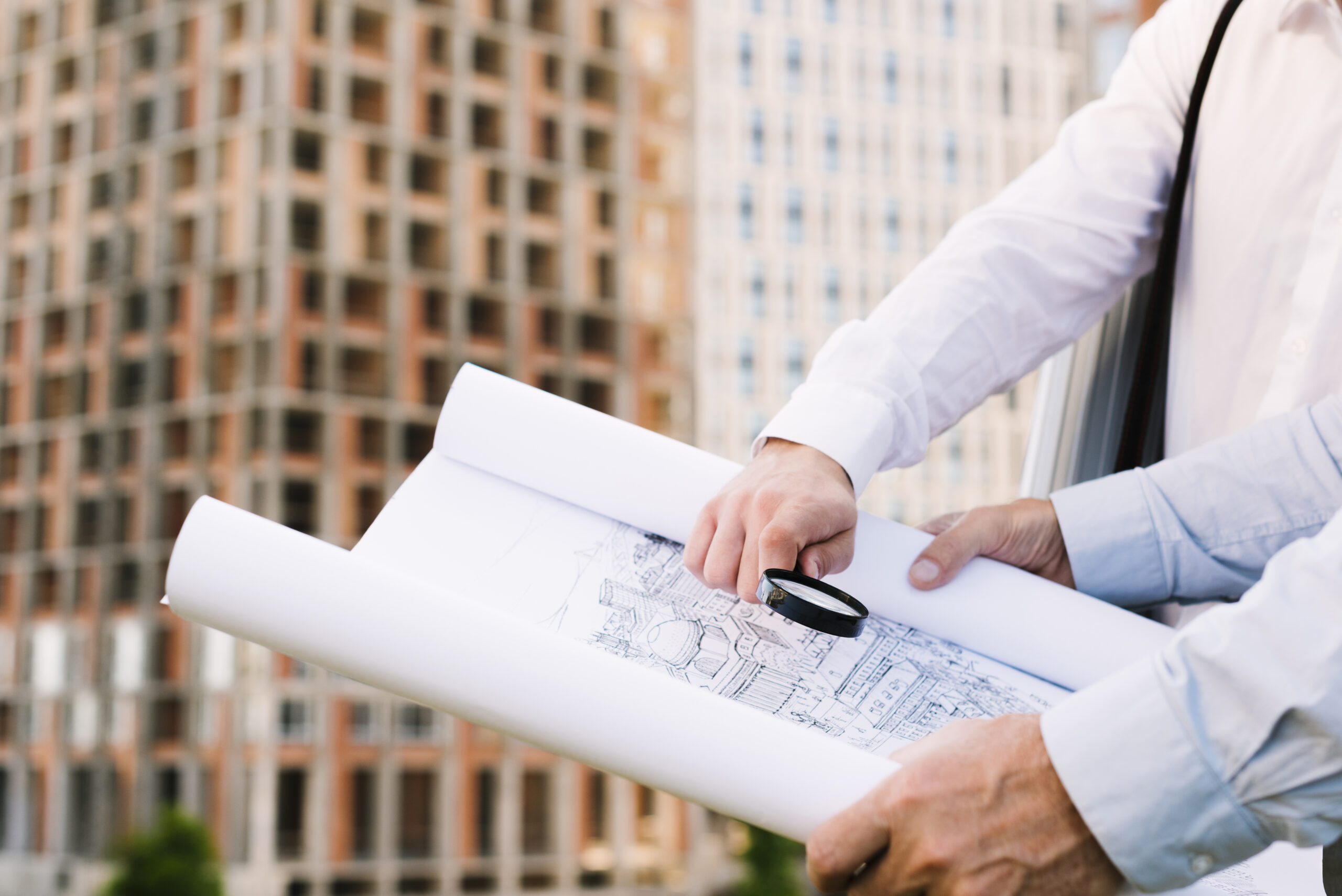
Avoiding common mistakes in NYC building permit filing will ensure that you don’t face project delays, non-compliant fines, and a stop of work. You must avoid submitting incomplete documents and inaccurate information, and also not overlook zoning laws. Hire approved professionals to ensure successful filing. The building permit process in New York City (NYC) is complex. You can face high costs and delays if you fail to follow various regulations precisely. Hence, a number of architects, homeowners, and contractors rely on NYC building permit filing experts for navigating the process. However, if you choose to do it yourself instead of hiring New York building permit expediters, then it is important to understand the common mistakes. By avoiding the pitfalls, you can prevent project delays and save time and money. So, keep reading to learn about the common mistakes to avoid when filing building permits in NYC. Why Filing NYC Building Permits Is So Complicated NYC DOB Permits are official approvals granted by the NYC Department of Buildings (DOB). You need these permits to perform most of the construction, demolition, and alteration work in NYC. These permits can get a variety of your projects covered, including plumbing, construction, and boilers. Their aim is to ensure that all covered work is compliant with building codes.  Filing NYC DOB permits can feel complicated due to the strict zoning rules, dense building codes, and extensive paperwork involved. Errors often result in unwanted consequences like stop-work orders, costly fines, and work-delaying resubmissions. This is why many resort to professionals who are experienced in permit expediting in NYC. Key Mistakes to Avoid in NYC Building Permit Filing Here are the common building permit mistakes that you should avoid when filing NYC DOB permits. Submitting Incomplete or Incorrect Documents A common issue when filing NYC building permits is filing the document incorrectly. You may also end up filing the wrong document. Incorrect filing can involve missing architectural plans, submitting inadequate drawings, or overlooking Technical Report (TR) forms. If you want to avoid making this mistake, always make sure that the documents you file accurately match the requirements of the DOB. You must hire a professional in NYC to ensure correctness and accuracy.  Selecting the Wrong Type of Permit Be careful when selecting a type of permit for NYC buildings, as an incorrect choice can lead to delays. The main mistake people make is wrongly classifying major works, like changing occupancy or use, as minor alterations.  Failing to Understand Zoning Regulations Not understanding zoning requirements correctly is another one of the common building permit mistakes people make. Many assume that they have completed permit applications without submitting all necessary documents, like architectural drawings and site plans. However, the mistake can lead to automatic disapproval.  In order to avoid this mistake, you must accurately check the specific zoning district, lot diagrams, and area restrictions for your building before filing NYC DOB permits. If you fail to avoid the mistakes, you will face project delays, costly fines, and even completely demolish any progress.  Ignoring Required Professional Sign-Offs Ignoring professional sign-offs for building permits in NYC is a major mistake you should stop making. The mistake can delay your project, result in fines, and even lead to demolition orders.  Remember that your project will require sign-offs from the Department of Buildings (DOB) and other agencies. Registered professionals can also help you with this. If you fail to get their signature, you will be violating the NYC Building Code and thus attract significant penalties.  Not Checking for Additional Agency Approvals Failing to identify and secure the necessary approvals from additional agencies in NYC is a mistake many make when filing building permits. Although the DOB is the principal authority, your project may also require multi-agency coordination, depending on its location and scope. So, approvals from authorities like the transport, fire, landmarks preservation, or environmental protection departments may also be needed. Underestimating Review Times Do not underestimate the review times for NYC building permits. Approval timelines can vary, depending on the complexity of your project, the accuracy of the application, and the backlogs of the review board. You can avoid this mistake by obtaining DOB filing services in New York. Starting Work before Receiving Approval You can face serious consequences if you start work before your NYC building permit is approved. It can lead to hefty fines, stop-work orders, and even the shutdown of the project. Remember that any physical work, including demolition and site preparation, cannot be started before the permit is granted.  Poor Communication with the DOB Poor communication with the NYC DOB can get your permit applications stalled. This can happen due to missed responses and wrongly answered questions. But registered professionals can make the interactions smoother, as they know the DOB protocols. They can provide information in a timely and accurate manner. They will also proactively address any issues.  Need DOB Filing Services in New York? A number of common building permit mistakes in NYC can be avoided by hiring approved professionals. The decision will minimise the chances of costly delays and violations. The professionals will ensure that documentation is complete and accurate, and that all the necessary permits are filed early. They will also help you prevent common mistakes like following outdated regulations or missing out details. Moreover, with their knowledge of complex building codes and zoning requirements, you can further reduce the chances of disapproval.  For a smooth NYC DOB filing process, ensure that you are preparing proactively and adhering to the requirements strictly. And this is exactly why you need professional New York building permit expediters. So, reach out to a professional today! Frequently Asked Questions 1. How to file building permits in NYC? In order to file a building permit in NYC, you must have your construction plans submitted by a licensed professional engineer or registered architect.  2. Why are the zoning restrictions important? Zoning laws dictate how you can use the land. This is why your permit application will be rejected if your

Common Mistakes to Avoid When Filing Building Permits in NYC Read More »
building under construction

Commercial vs. Residential Architecture: Key Differences in New York City Design Projects

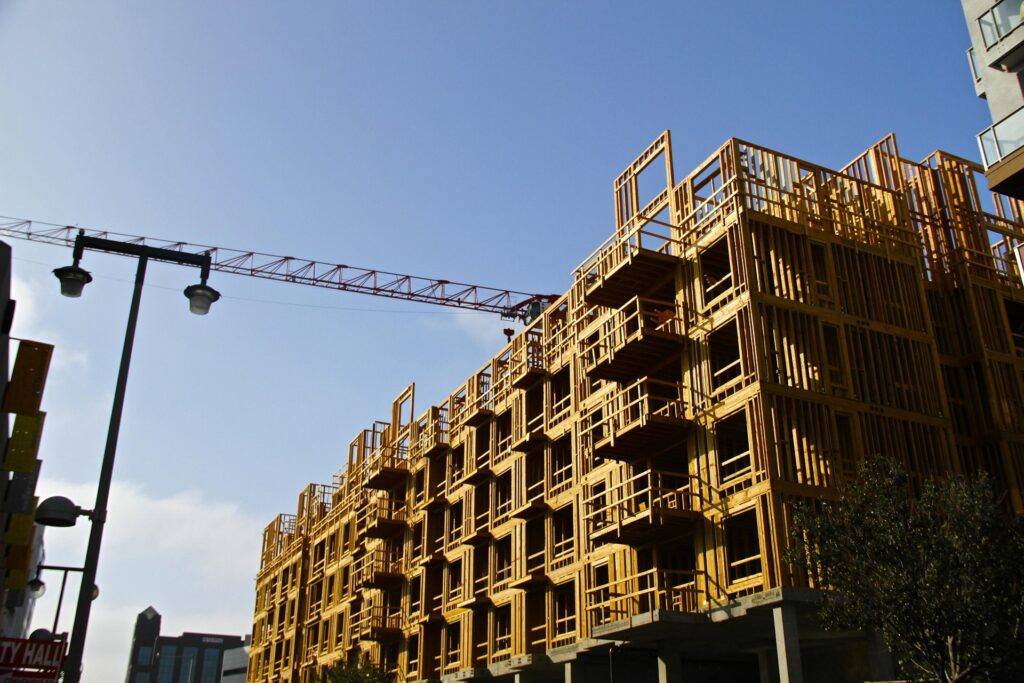
This blog will look into some of the key aspects of the differences between commercial and residential architecture in New York City design projects. The design projects in New York City can be characterized by a blend of high-density urban challenges, cultural richness, and architectural history, focusing on sustainability, resilience, and enhancements in daily life. In this context, how are commercial and residential architecture in New York City different? This blog will look into those differences. The Unique Architectural Landscape of New York City The unique architectural landscape in New York City is defined by a blend of styles. The New York City architecture design includes early landmarks like the Woolworth Building or the distinct Art Deco skyscrapers from the early 20th Century, as well as modern and innovative designs of the modern age. Here is a look at the type of historic and early 20th-century architecture that can commonly be found in New York City: ● Art Deco:A signature style of the 1920s and the 1930s, it is characterized by geometric shapes, lavish ornamentation, and materials like steel, glass, and terracotta. ● Skyscrapers:Building design in New York City consists of numerous iconic skyscrapers, such as the Empire State Building and the Chrysler Building, which showcase both early construction and later developments. ● Beaux-Arts:Styles such as the New York Public Library represent the early 20th-century architecture in New York City, which can be identified by its grand and ornate designs. ● Industrial Design: This design is a remaining evidence of the state’s industrial past, and it can be seen in areas like the High Line, preserving the industrial aesthetic of the railroads and the former warehouses. Alternatively, New York City is also known for its modern and contemporary architectural styles, which include: ● Modernism:The state has long been a hub for various modernist movements, which include all styles, such as the International Style, as well as Alternative Modernism. The modern building design in New York City essentially represents the city’s stride towards the future. ● Contemporary Designs:The New York City skyline has continued to evolve with the most innovative designs, such as those by renowned architects, including the curved and rounded towards that have been developed near the High Line. ● One World Trade Center: A prime example of modern and symbolic commercial architecture in New York City, its height of 1776 feet is a representation of the year when the Declaration of Independence was signed. Core Design Philosophies: Functionality vs. Livability One of the most important design philosophies that impacted how architecture in New York City works is the trade-off between functionality and livability. They represent two distinct and complementary approaches to creating environments. Functionality focuses on efficiency and practical utility. Livability, on the other hand, emphasizes human comfort, experience, and overall well-being of the residents. Here is a chart exploring the features that work on the differences between the two philosophies: Feature Functionality Livability Primary Focus Efficiency, practicality, and utility for a specific purpose. Human comfort and well-being. Design Goals Optimized usage of space, clear circulation, problem-solving, and performance. Creating environments that welcome, inspire, and support diverse human activities, as well as social interactions. Key Indicators Measurable metrics such as energy consumption, structural integrity, and space efficiency. Sense of community, safety, subjective preferences, access to nature, as well as emotional well-being. Approach This approach is often technical and objective. It relies on data, standards, and engineering principles. It is usually more subjective and context-dependent, which incorporates user feedback alongside cultural factors. Table 1: Functionality vs. Livability These two alternative philosophies might be fundamentally different. However, when it comes to architecture and engineering consulting in New York City, this difference matters in the environment that is created by these respective spaces. Navigating NYC Zoning: Commercial vs. Residential Regulations Understanding commercial vs. residential architecture in New York City is incomplete without a proper navigation of the zoning regulations. NYC zoning classifies areas as Residential (R), Commercial (C), or Manufacturing (M). And each of them has unique rules for property usage, density, and building size. Residential zones often range from single-family homes (R1-R2) or high-density apartments (R6-R10). Alternatively, Commercial zones vary from small neighborhood businesses (C1-C2) to large-scale retail and offices (C6-C8). These zoning regulations are important to create an understanding of the specific rules of the zone in which your building is situated.  With that, let’s explore the basic differences between residential and commercial zoning with a comparative chart as follows: Feature Commercial Zoning Residential Zoning Primary Uses For business and retail activities, such as offices, shops, banks, and restaurants. Housing, such as single-family homes, apartments, and townhouses. Building Regulations Rules on the height of the building, the design, and parking. Strict regulations focused on height, lot size, as well as setbacks. Permissions It is more complex and can often take longer to acquire. It is generally simpler and quicker to obtain. Future Development Flexible for other commercial uses, redevelopment can often be easier. It also depends on local amenities like schools and parks. Table 2: Commercial vs. Residential zoning This chart has explored the zoning regulations of the commercial vs. residential architecture in New York City. Building Codes Deep Dive: From ADA Compliance to Fire Safety New York City building regulations incorporate both the federally mandated Americans with Disabilities Act (ADA) compliance and stringent, as well as locally specific Fire Safety requirements, which are all outlined within the comprehensive New York City construction codes. Accessibility: ADA and New York City Accessibility requirements in New York City are governed by the federal ADA guidelines and are detailed in the NYC Building Code Chapter 11. Key aspects include: ● At least one accessible route must also connect accessible buildings, facilities, and spaces on the same site. Within a building, an accessible route is required to all primary function areas, entrances, as well as connected pedestrian walkways. ● Moreover, when alterations affect an area of primary function, the path of that area (including restrooms and drinking fountains) must be made accessible, provided that the cost does not

Commercial vs. Residential Architecture: Key Differences in New York City Design Projects Read More »